Coordination Service Explained
What is a Coordination Service?

A Coordination Service may be part of a self‑managed Support at Home program which organises, oversees, and supports the key aspects of a client’s in‑home support journey.
It ensures that seniors’ preferences are honoured while they receive safe, reliable, and personalised in‑home support that genuinely meets their needs. It also ensures that support workers deliver services professionally, transparently, and with integrity.
In simple terms: Coordinators make sure nothing falls through the cracks.
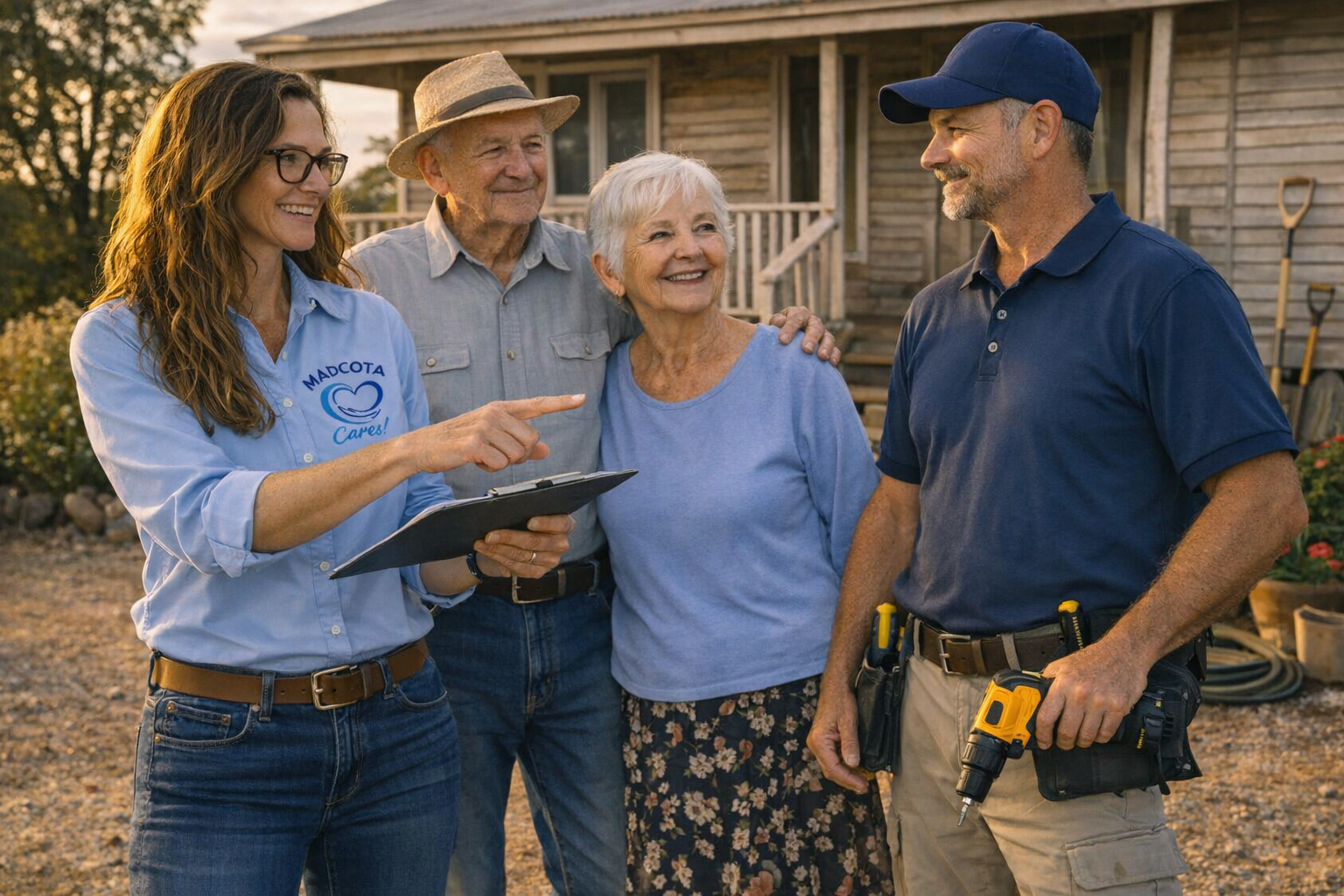
What does a Coordination Service do?
1. Understands Each Person’s Needs
Coordinators meet with seniors, listen to their goals, understand their routines, and learn what matters most to them. This becomes the foundation for a personalised support plan.
2. Help Clients Find the Right Workers
They aim to source local Support Workers who fit the client’s personality, needs, and location and assist the client through a selection process ensuring the right fit for them — creating continuity and trust.
3. Manages Schedules & Daily Operations
They organise in-home visits, adjust support rosters, respond to changes, and keep everything running smoothly behind the scenes.
4. Supports Workers
Coordinators work to fill any voids with services available, especially in regional and rural areas, to ensure clients receive continuity of care, even at times of natural disaster.
Support Workers use Coordinators as a contact point to ensure clients wellbeing and care needs remain relevant.
Coordinators also provide Support Workers guidance, safety advice, event debriefing and problem‑solving support.
5. Identifies & Manages Risks
If something changes — a fall, confusion, unsafe home, or a worker concern — coordinators act quickly to keep everyone safe.
6. Communicates With Families & Partners
They keep families informed (with consent) and work with community partners to support clients holistically.
7. Ensures Quality & Documentation
They maintain accurate records, communicate to update plans, and ensure the service meets professional and accreditation standards.
8. Leads Disaster & Emergency Response
During floods, storms, or outages, coordinators will activate welfare check processes, prioritise high‑risk clients, communicate with support workers, coordinate with SES and families as needed and evaluate support services after the event.
This is especially critical in regional and rural areas.

Why SAH Coordination Matters
Without coordination, in‑home care becomes inconsistent, unsafe, and disconnected.
With coordination, seniors experience:
Familiar workers
Predictable routines
Safer homes
Faster responses
Stronger relationships
Better wellbeing